Contact Us

Blog
Welcome to the Guaranteed Rent Hub blog — your resource for clear, practical guidance on supported living leases, guaranteed rent, and building a more secure and hands-off property portfolio. Here, we break down everything landlords need to know, from how lease placements work and what providers look for, to compliance, real case studies, and strategies for improving long-term income. Whether you’re an experienced landlord or exploring guaranteed rent for the first time, this blog gives you the insight and confidence to make smarter, more stable decisions in today’s rental market.
What If a Provider Pulls Out Before the Lease Is Signed?
If a provider pulls out before the lease is signed, you lose nothing except time. There's no lease, so there's no contract to break and your house is free to offer to another provider straight away. Guaranteed rent only starts when a lease is signed. Until then, an interested provider is a strong lead, not a promise.
I'm George Samoila, and I run Guaranteed Rent Hub. This isn't a theoretical question. It happened to four of our landlords last week.
What happened last week?
On Wednesday 14 October, one of the providers we work with in Liverpool and Sefton told us it had paused all new properties, across the whole organisation. One line, no reason given. Four landlords' houses had been matched with that provider, and all four lost their route the same afternoon.
Nothing was wrong with any of the houses. The provider's own plans had changed. That matters, because it tells you what kind of problem this is: not "your house failed", but "this buyer left the shop".
What happens if a provider pulls out before the lease?
You go back to the matching stage. A provider's interest, a viewing and even agreed terms are not a lease. Until the lease is signed, either side can walk away, and that includes you. Your house is free to be offered to any other provider, and the work you've already done, from certificates to repairs, still counts.
Providers aren't being careless when this happens. Their plans move with their contracts, their budgets and the councils they work for. We've also had a provider tell us, in writing, that a whole town was "not an area we are looking for at this time", and another say its HMO needs had "dropped off a cliff". Patches and shapes change. That's why we never work with just one provider in an area.
What happens to your house next?
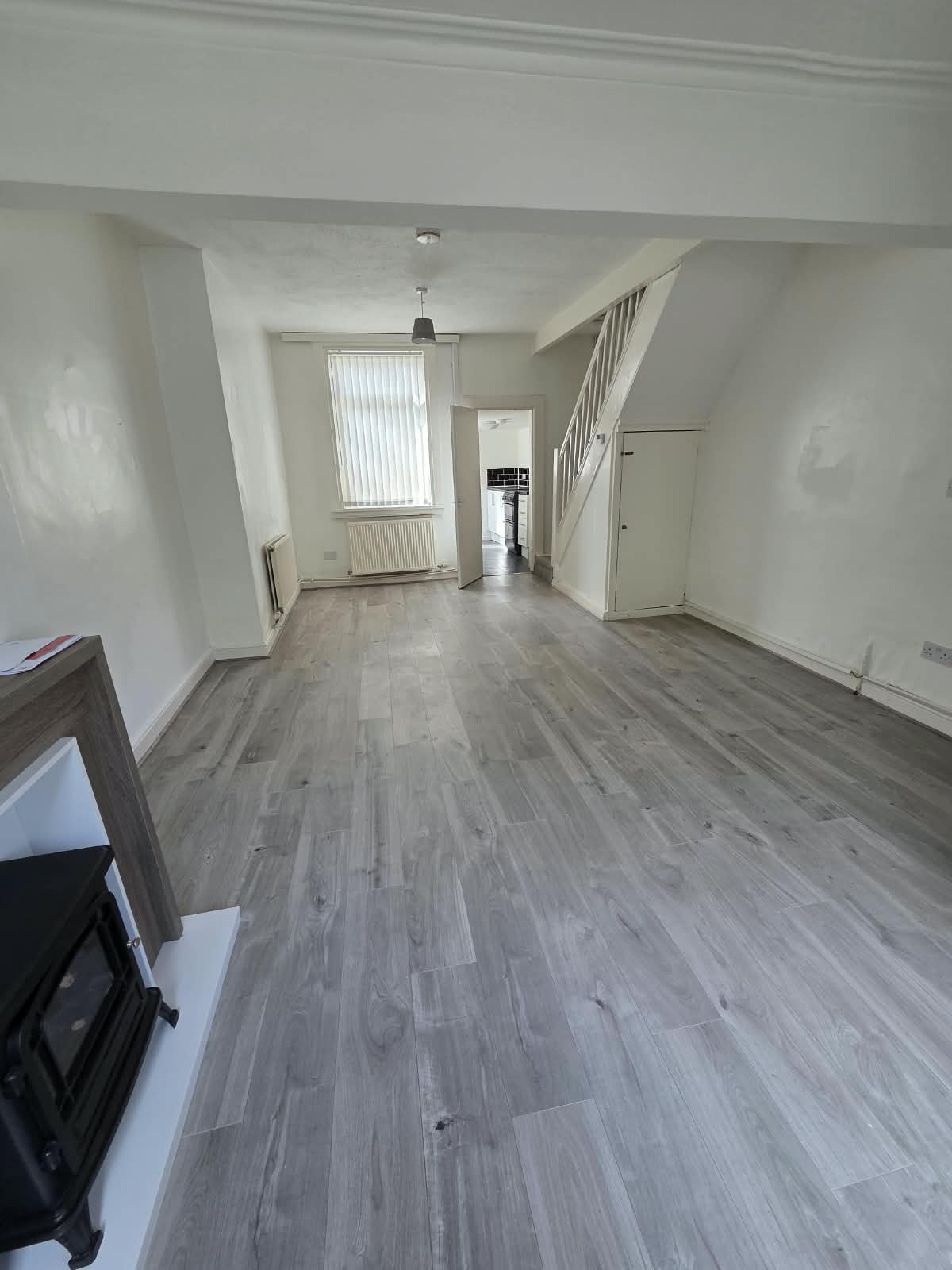
We run it against the other providers in the area, and the question is always the same: which of them wants this shape of house, here?
Right now, across Liverpool and Merseyside, these are some of the briefs we hold in writing:
- three- and four-bedroom houses in Liverpool for young people's supported accommodation, near public transport, colleges and shops, with a separate living room and bedrooms big enough for a bed, wardrobe, drawers and a desk
- one- and two-bedroom homes in Liverpool, with Sefton considered
- large shared houses of 11 or 12 bedrooms in Liverpool
So a three-bed in Walton has more than one door. A three-bed in Bootle has fewer, and we'll tell you that honestly rather than leave it on a list. If your house doesn't fit any brief we hold, we say so, and we say what we'd do instead.
The demand behind these briefs hasn't gone away. On 31 March 2026 there were 135,580 households in temporary accommodation in England, a record. Providers still need houses; one pausing changes who takes yours, not whether anyone will.
Does the rent change with a new provider?
It can. Each provider sets its own offer, and on most routes what they can pay is tied to the Local Housing Allowance, which stays frozen at April 2024 rates for 2026/27. A new provider may offer more, less or the same. That's why we only give you a figure once a specific provider has shown interest in your house.
We explained the quick rent test, and which areas pass it, in which houses social housing providers want right now.
How do you protect yourself before the lease?
Three habits make a pull-out cost you days instead of months.
- Don't spend big until a provider commits. Do what any provider will need: safety certificates, alarms, damp and obvious repairs. Hold back on furniture or layout changes that only one provider asked for, until its lease is in front of you.
- Keep the house viewing-ready. If the next provider can view next week, you've lost a week. The checklist is in what happens when a provider views your property.
- Keep your paperwork in one folder. Gas safety record, electrical report, EPC, floorplan with room measurements, photos. Sending it to a second provider should take minutes.
And once a lease is offered, read it with your solicitor before you sign. Your protection after signing is in the lease, not in anyone's goodwill.
What this means for you
If you're waiting on a provider, assume nothing is final until the lease is signed, and don't let that stop you preparing. A pull-out is frustrating, but before the lease it's a delay, not a loss. The downside, said out loud: it costs you time, and if your house only suits one provider's brief, it can cost a lot of time.
FAQ
Can a provider pull out after the viewing?
Yes. Until the lease is signed, a provider can change its mind, just as you can. A viewing, and even agreed terms, aren't a contract. Once the lease is signed, both sides are bound by it, so read it with your solicitor before signing and check what it says about ending early.
If a provider pauses, is my house still worth placing?
Usually. A pause is about the provider's plans, not your house. We check it against every other provider in the area that wants that shape of house. If none does, we'll tell you plainly rather than keep you waiting, and suggest what we'd do instead.
Will I have to redo my certificates for a new provider?
Normally not. A current gas safety record, electrical report and EPC are valid whichever provider leases the house. Some providers ask for extras, such as their own fire risk assessment or a furniture inventory, so we tell you what the new provider needs before you spend anything.
When does the guaranteed rent start?
When the lease is signed and its start date arrives. Before that there's no rent and no obligation on either side. From the start date the provider pays the rent for the term, whether or not the house is occupied, and deals with the people living there.
Waiting on a provider, or starting from scratch?
Send us the address, the number of bedrooms and bathrooms, and when it's available. We'll check it against every provider we work with in your area.

Navigation



Contact Us
© Copyright 2025. Guaranteed Rent Hub. All rights reserved.