A social housing provider viewing is the visit where the provider decides whether your house can take a lease. They check the area, the layout, the room sizes, the condition, the safety measures and the paperwork against what their residents need. Get those right and the viewing is the step that turns interest into a lease.
Most landlords picture it as a formality. It isn't, but it isn't a mystery either. Here's what happens and how to prepare.
What is a social housing provider viewing?
It's an inspection by the provider who has shown interest in leasing your house. It happens after we've matched your property to a provider and you've seen the rent and terms they're offering, and before any lease is signed. The provider is checking that the house works for the people they'll place there.
Providers house different groups: families in temporary accommodation, people in supported housing, people leaving care. Each has different needs, which is why the same house can suit one provider and not another. It's also why we match first and book the viewing second, as we explain in the customer journey at Guaranteed Rent Hub.
What does the provider check?
Five things, broadly. Here they are, with what to have ready for each:
| What they check | What to have ready |
|---|
| Location | Nothing to prepare, but it's why we match before booking |
| Layout and living space | A usable living room; a floorplan |
| Room sizes | Bedrooms that meet the minimum sizes |
| Condition | No damp, mould, leaks or broken fittings |
| Safety and paperwork | Gas safety record, electrical report, EPC, working alarms |
Is the area right?
Providers place people where they have demand and where residents can reach shops, transport and support services. A good house in the wrong area won't get a lease from that provider. That's not something you can fix on the day, which is why it's checked before a viewing is booked.
Is there a proper living space?
Many providers want a separate, usable living room, not just bedrooms off a corridor. Some set a minimum: Mears, for example, asks for a reception room of at least 25 square metres on its family contract. National providers usually want the house furnished, with white goods; local providers generally don't.
Are the bedrooms big enough?
For shared houses, the law sets minimums. Under the HMO licensing regulations, a bedroom for one adult must be at least 6.51 square metres, a bedroom for two adults at least 10.22 square metres, and a room under 4.64 square metres can't be used for sleeping at all. Providers will measure.
Is the house safe?
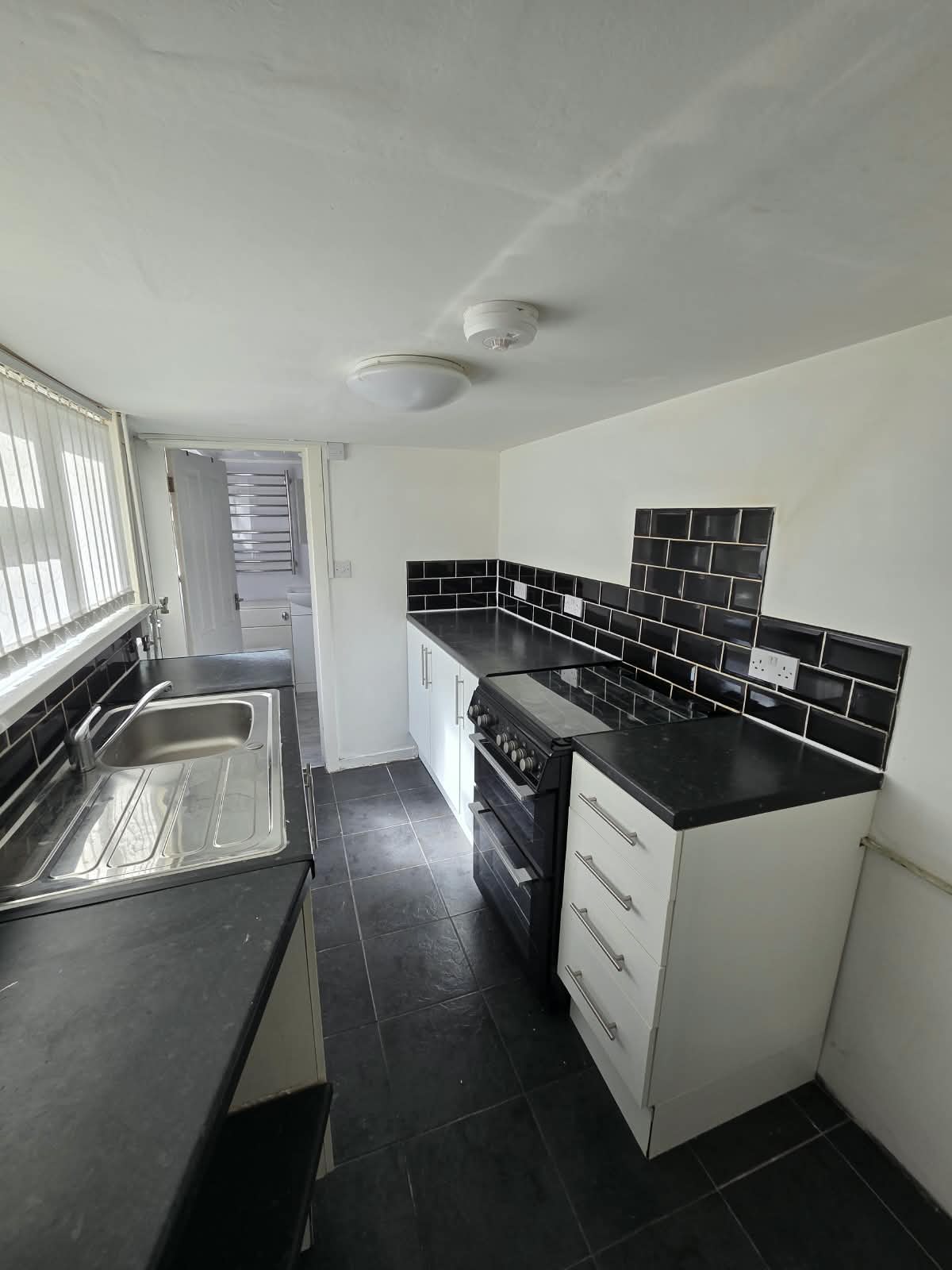
Safety is where most avoidable problems show up. The provider will look for:
Some providers carry out their own fire risk assessment and won't sign off until its recommendations are done.
Why do houses get turned down at a viewing?
Most refusals come down to a handful of fixable things:
- No usable living room, or one too small for the provider's rules.
- Bedrooms under the minimum size.
- Damp, mould or a leak. The government's new Decent Homes Standard for rented homes, applying from 2035, says a home should be free of damp and mould. Providers already expect it.
- Missing or expired certificates.
- General condition. A house doesn't need luxury finishes, but it does need to feel decent, safe and cared for.
Often it isn't a no. It's "yes, once you've done these three things". You'll get a list, and the lease moves forward when it's done.
What happens after the viewing?
If the provider is happy, they confirm the property and the terms, and the lease is drawn up: typically three to five years, with the rent paid by the provider rather than a tenant. If they want works first, you do them and they check them off. Council approval and placement demand can add time, which we explain in how long it takes to get a property onboarded.
What this means for you
Treat the viewing like an inspection you can pass first time. Before the provider arrives:
- test every smoke and carbon monoxide alarm
- put the gas safety record, electrical report and EPC in one folder
- deal with any damp, mould or leaks, and fix broken fittings
- clean the house and clear it of belongings
- have a floorplan ready
A house that's ready on the day can go from viewing to lease without a second visit.
FAQ
What does a social housing provider look for at a viewing?
They look at five things: the area, the layout and living space, the bedroom sizes, the condition, and the safety measures and paperwork. They're checking the house suits the people they'll place there. Most of it is preparable in advance, apart from the location, which we check when matching your property.
Do I need to furnish my house for a provider?
It depends on the provider. National providers usually want the house furnished, with white goods. The local providers we work with generally don't. We'll tell you which applies once a provider has shown interest, so you don't spend money on furniture you won't need.
What certificates do I need before a provider viewing?
Have a current gas safety record from an annual check, an electrical installation condition report from the last five years, and an EPC rated E or above. Make sure there's a working smoke alarm on every storey, and a carbon monoxide alarm wherever there's a fixed combustion appliance.
What happens if my house fails the viewing?
Often it doesn't fail outright. The provider gives a list of works, such as a missing alarm, a damp patch or a door to replace. Once those are done and checked, the lease moves forward. If the layout doesn't suit that provider at all, we look for a different provider whose residents it does suit.
Ready to find out if your house fits?
Tell us about your property and we'll check it against the providers we work with. Submit your property.




What Happens When a Provider Views Your Property?
A social housing provider viewing is the visit where the provider decides whether your house can take a lease. They check the area, the layout, the room sizes, the condition, the safety measures and the paperwork against what their residents need. Get those right and the viewing is the step that turns interest into a lease.
Most landlords picture it as a formality. It isn't, but it isn't a mystery either. Here's what happens and how to prepare.
What is a social housing provider viewing?
It's an inspection by the provider who has shown interest in leasing your house. It happens after we've matched your property to a provider and you've seen the rent and terms they're offering, and before any lease is signed. The provider is checking that the house works for the people they'll place there.
Providers house different groups: families in temporary accommodation, people in supported housing, people leaving care. Each has different needs, which is why the same house can suit one provider and not another. It's also why we match first and book the viewing second, as we explain in the customer journey at Guaranteed Rent Hub.
What does the provider check?
Five things, broadly. Here they are, with what to have ready for each:
Is the area right?
Providers place people where they have demand and where residents can reach shops, transport and support services. A good house in the wrong area won't get a lease from that provider. That's not something you can fix on the day, which is why it's checked before a viewing is booked.
Is there a proper living space?
Many providers want a separate, usable living room, not just bedrooms off a corridor. Some set a minimum: Mears, for example, asks for a reception room of at least 25 square metres on its family contract. National providers usually want the house furnished, with white goods; local providers generally don't.
Are the bedrooms big enough?
For shared houses, the law sets minimums. Under the HMO licensing regulations, a bedroom for one adult must be at least 6.51 square metres, a bedroom for two adults at least 10.22 square metres, and a room under 4.64 square metres can't be used for sleeping at all. Providers will measure.
Is the house safe?
Safety is where most avoidable problems show up. The provider will look for:
Some providers carry out their own fire risk assessment and won't sign off until its recommendations are done.
Why do houses get turned down at a viewing?
Most refusals come down to a handful of fixable things:
Often it isn't a no. It's "yes, once you've done these three things". You'll get a list, and the lease moves forward when it's done.
What happens after the viewing?
If the provider is happy, they confirm the property and the terms, and the lease is drawn up: typically three to five years, with the rent paid by the provider rather than a tenant. If they want works first, you do them and they check them off. Council approval and placement demand can add time, which we explain in how long it takes to get a property onboarded.
What this means for you
Treat the viewing like an inspection you can pass first time. Before the provider arrives:
A house that's ready on the day can go from viewing to lease without a second visit.
FAQ
What does a social housing provider look for at a viewing?
They look at five things: the area, the layout and living space, the bedroom sizes, the condition, and the safety measures and paperwork. They're checking the house suits the people they'll place there. Most of it is preparable in advance, apart from the location, which we check when matching your property.
Do I need to furnish my house for a provider?
It depends on the provider. National providers usually want the house furnished, with white goods. The local providers we work with generally don't. We'll tell you which applies once a provider has shown interest, so you don't spend money on furniture you won't need.
What certificates do I need before a provider viewing?
Have a current gas safety record from an annual check, an electrical installation condition report from the last five years, and an EPC rated E or above. Make sure there's a working smoke alarm on every storey, and a carbon monoxide alarm wherever there's a fixed combustion appliance.
What happens if my house fails the viewing?
Often it doesn't fail outright. The provider gives a list of works, such as a missing alarm, a damp patch or a door to replace. Once those are done and checked, the lease moves forward. If the layout doesn't suit that provider at all, we look for a different provider whose residents it does suit.
Ready to find out if your house fits?
Tell us about your property and we'll check it against the providers we work with. Submit your property.
George Samoila