Contact Us

Blog
Welcome to the Guaranteed Rent Hub blog — your resource for clear, practical guidance on supported living leases, guaranteed rent, and building a more secure and hands-off property portfolio. Here, we break down everything landlords need to know, from how lease placements work and what providers look for, to compliance, real case studies, and strategies for improving long-term income. Whether you’re an experienced landlord or exploring guaranteed rent for the first time, this blog gives you the insight and confidence to make smarter, more stable decisions in today’s rental market.
Landlord Database Dates for the North West and North East
The landlord database finally has dates. The government announced in September that the new "Register your rental property" service opens on 15 December 2026, starting in the West Midlands and rolling out region by region over the following year.
If you're a landlord in the North West, you'll need to register between 15 May and 14 August 2027. In the North East, it's 15 June to 14 September 2027. It costs £65 a property, every year.
That's not tomorrow. But it's another job on the list, another annual cost, and another reason some landlords are deciding they've had enough of managing tenants. Here's what you need to know.
The dates, region by region
Every region gets a three-month window to register. According to the government's Housing Hub guidance, the order is:
- West Midlands: 15 December 2026 to 14 March 2027
- Yorkshire and the Humber: 15 April to 14 July 2027
- North West: 15 May to 14 August 2027
- North East: 15 June to 14 September 2027
The rest of England fits in between, and every actively let property in England has to be registered by 14 November 2027.
What you'll need to register
You'll need to give your own details and details of each property: the address, the type of property, the number of bedrooms, how many people live there, the tenancy and the rent you're charging.
You'll also have to upload your safety paperwork:
- your gas safety record
- your electrical installation condition report (EICR)
- your energy performance certificate (EPC)
The £65 fee is per property, per year, and it's pro-rated during the roll-out so early registrations don't pay more.
If you don't register, the penalties are real. Law firm Osborne Clarke summarises them as fines of up to £7,000 for a first breach, rising to up to £40,000 for repeated breaches within five years.
My advice is simple: don't leave it to August 2027. If any of those three certificates is out of date or missing, sort it now. They're the same documents any letting agent, lender or provider will ask for anyway.
Rent disputes are moving too
The same announcement confirmed that challenges to rent increases will move from the First-tier Tribunal to HMRC's Valuation Office. There's no start date for that yet.
Landlords are already leaving
The database is the latest piece of the Renters' Rights Act, and it's landing on a market that's already shrinking. Figures from The Letting Partnership, reported by Mortgage Solutions, show the number of homes available to rent in England fell by more than 15,500 between the second and third quarters of 2026. In Merseyside it fell by 30.5%, and in Greater Manchester by 20.5%.
Some of those landlords are selling. Others are looking for a way to keep the house without the tenant management that comes with it.
Where a provider lease fits
This is where we come in. Guaranteed Rent Hub places your existing house with a social housing or supported living provider on a lease, usually for 3–5 years. The provider pays you the rent every month, and the rent is guaranteed for the length of the lease, even if the house is empty. The provider looks after the people living there and the internal maintenance.
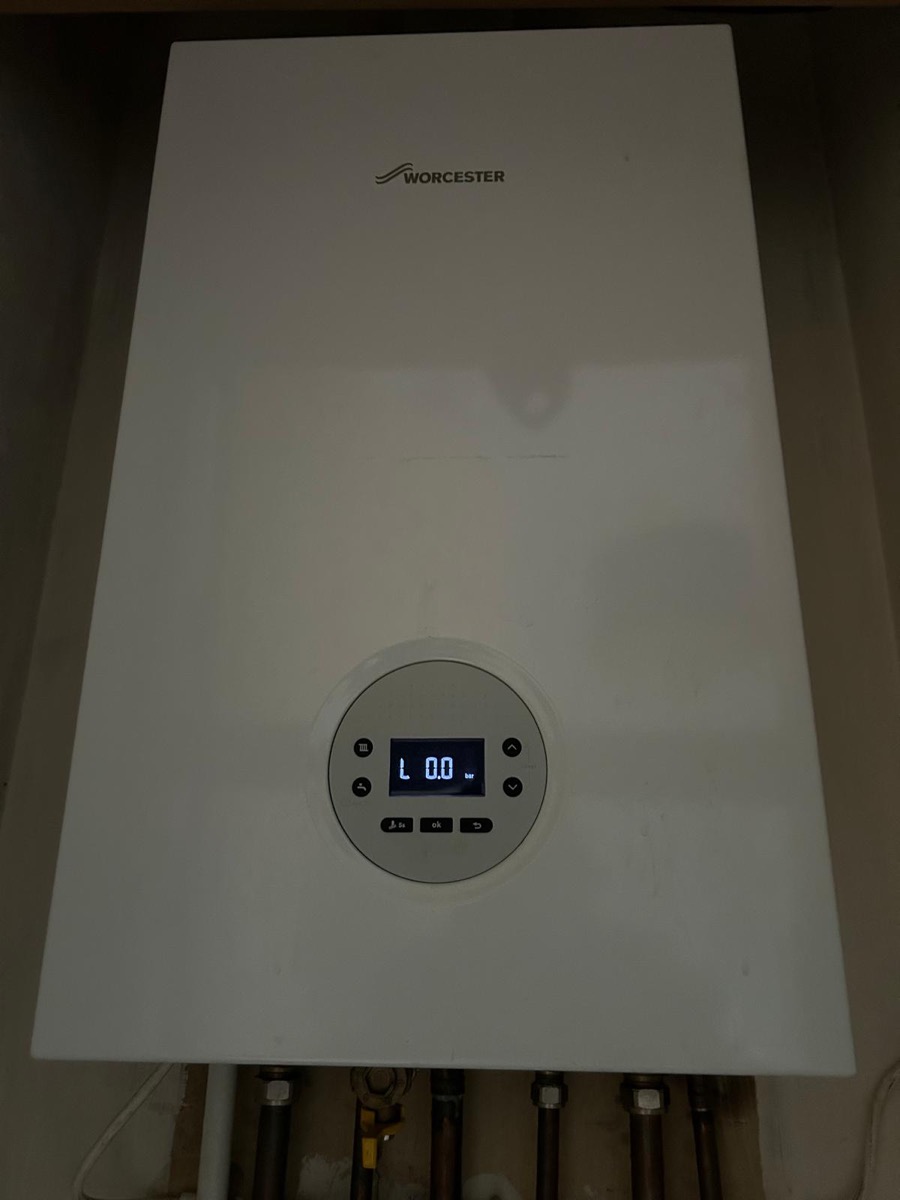
It doesn't make all of your responsibilities disappear, and I won't pretend it does. You still look after the exterior, the electrics, the boiler and the pipework. And you'll still need a valid gas safety record, EICR and EPC, because providers ask for them before they take a house on.
Does a house leased to a provider need to go on the database? The register is aimed at landlords with assured or regulated tenancies, and some supported accommodation is excluded. Whether your arrangement is in scope depends on the lease and who lives there, so check with your solicitor before you assume either way. Don't take a blog post's word for it, including this one.
What this means for you
- Note your deadline. North West: 14 August 2027. North East: 14 September 2027.
- Budget £65 a property a year. On a portfolio, that adds up.
- Get your certificates in order now. Gas safety record, EICR and EPC. You need them for the register and for any provider.
- If you're tired of managing tenants, a provider lease is worth a look before you sell. You keep the house, and the rent comes from the provider.
FAQ
When does the landlord database open?
On 15 December 2026, in the West Midlands first. Each region then gets a three-month window, and every actively let property in England must be registered by 14 November 2027.
How much does it cost?
£65 per property, per year, according to the government's Housing Hub guidance. It's pro-rated during the roll-out.
What happens if I don't register?
You risk a fine. Osborne Clarke's summary puts it at up to £7,000 for a first breach, and up to £40,000 for repeated breaches within five years.
If my house is leased to a provider, do I still need to register?
It depends on the arrangement. The register is aimed at assured and regulated tenancies, and some supported accommodation is excluded. Check with your solicitor.
What do you need from me to see if my house suits a provider?
The full address with postcode, the number of bedrooms and bathrooms, the property type, when it's available, the rent you're expecting, and a floorplan. With that, we can check it against the providers we work with.
Want to see if your house fits?
If you already own a property in the North and you'd rather have the rent paid by a provider than chase a tenant, send us the details. We'll tell you honestly whether there's demand for it.
You might also like: How Long Does It Take to Get a Property Onboarded for Supported Housing? and What Happens When Your Property Is Returned by a Social Housing Provider?

Navigation



Contact Us
© Copyright 2025. Guaranteed Rent Hub. All rights reserved.