Contact Us

Blog
Welcome to the Guaranteed Rent Hub blog — your resource for clear, practical guidance on supported living leases, guaranteed rent, and building a more secure and hands-off property portfolio. Here, we break down everything landlords need to know, from how lease placements work and what providers look for, to compliance, real case studies, and strategies for improving long-term income. Whether you’re an experienced landlord or exploring guaranteed rent for the first time, this blog gives you the insight and confidence to make smarter, more stable decisions in today’s rental market.

Understanding the Social Housing Ecosystem: RSLs, RPs, Providers and Supported Living
Understanding the Social Housing Ecosystem: RSLs, RPs, Providers and Supported Living

For many landlords exploring guaranteed rent or supported living leases, the terminology used in the sector can feel confusing. Terms like RSL, RP, housing provider, and supported living operator are often used interchangeably, but they each play a different role within the wider social housing ecosystem.
Understanding how these organisations work together helps landlords make informed decisions when considering long-term lease opportunities.
This article breaks down the structure of the sector and explains where private landlords fit into the picture.
The Social Housing System at a Glance
The UK social housing ecosystem involves several different types of organisations working together to provide accommodation for people who need additional support or affordable housing.
At a high level, the structure typically looks like this:
1. Government and regulators oversee the sector.
2. Registered Providers (RPs) or Housing Associations own or manage housing stock.
3. Supported living providers or care organisations deliver support services to residents.
4. Private landlords supply additional housing through long-term leasing arrangements.
This partnership model helps increase the supply of suitable housing while ensuring tenants receive the support they need.

What Is an RSL (Registered Social Landlord)?
An RSL, or Registered Social Landlord, is an organisation that provides social housing and is regulated by the relevant housing authority.
Historically, the term RSL was widely used across the UK to describe housing associations that owned or managed social housing stock.
Today, the more commonly used term in England is Registered Provider (RP), but the two terms are often used interchangeably.
RSLs typically:
• Own and manage housing for social tenants
• Provide affordable accommodation
• Work closely with local authorities
• Operate under strict regulatory frameworks
Their primary goal is to deliver safe, affordable housing for people who cannot access the private rental market.
What Is a Registered Provider (RP)?
A Registered Provider of Social Housing is an organisation officially registered with the Regulator of Social Housing in England.
Registered Providers can be:
• Housing associations
• Local authority housing companies
• For-profit housing organisations
• Specialist supported housing providers
To operate as an RP, organisations must meet strict regulatory standards relating to:
• Governance
• Financial stability
• Tenant safety
• Housing quality
Many RPs work with private landlords by leasing properties to expand their housing supply without needing to purchase every property themselves.
What Are Supported Living Providers?
Supported living providers are organisations that deliver housing combined with support services for individuals who require assistance to live independently.
Residents in supported living schemes may include:
• Young people leaving care
• Adults with learning difficulties
• Individuals with mental health needs
• Vulnerable people transitioning to independent living
In these arrangements, the housing element and the care element are often delivered by separate organisations.
For example:
• A housing provider may lease the property from a landlord.
• A care provider delivers the support services to residents.
This structure ensures that residents receive both safe accommodation and appropriate support.
Supported Living vs Social Housing
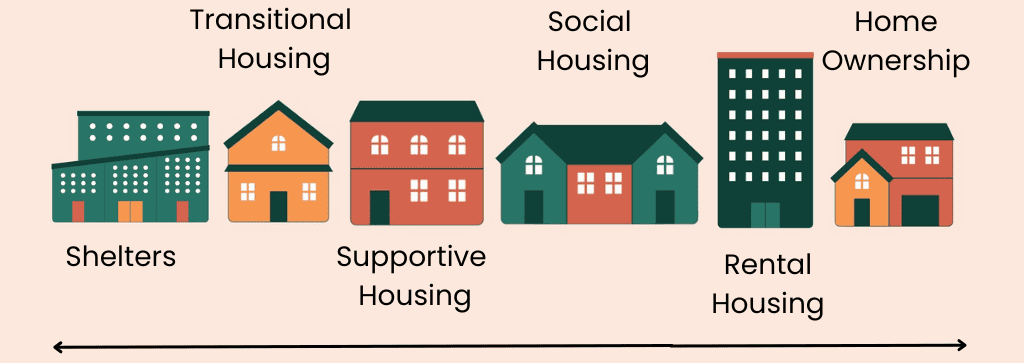
Although the two sectors overlap, supported living and social housing serve slightly different purposes.
Social Housing
Social housing focuses on affordable accommodation for people on lower incomes. Properties are typically rented at below-market rates and are often managed by housing associations or councils.
The primary goal is affordability and long-term housing stability.
Supported Living
Supported living goes a step further by providing housing alongside support services for individuals who need help living independently.
The emphasis is not just on housing, but also on wellbeing, care, and personal development.
Because of this additional support requirement, supported living properties are often managed under specialist housing arrangements.
Where Private Landlords Fit Into the Ecosystem
Private landlords play an increasingly important role in supporting the sector.
Demand for supported living and specialist housing continues to grow, while many housing associations and providers do not own enough suitable properties to meet that demand.
This is where landlords come in.
Instead of renting to individual tenants on the open market, landlords can lease their property to a housing provider or supported living organisation.
The provider then becomes the landlord’s tenant and manages the occupiers within the property.
This model can offer several advantages:
• Long-term lease agreements
• Guaranteed monthly rent
• No void periods
• Reduced day-to-day tenant management
For many landlords, it provides a more stable and predictable rental model compared to traditional letting.
Why the Sector Is Growing
Several factors are driving increased demand for supported housing across the UK:
• A growing need for specialist accommodation
• Pressure on local authority housing supply
• Increased focus on community-based support
• A shortage of suitable properties for supported living schemes
As a result, providers are actively seeking properties that can be used for supported housing arrangements.
Final Thoughts
The social housing ecosystem involves a network of organisations working together to provide safe and suitable accommodation for those who need it.
Registered Providers, housing associations, and supported living organisations each play a distinct role, while private landlords provide an essential supply of housing that enables the system to function.
Understanding how these pieces fit together helps landlords explore alternative rental models and make informed decisions about long-term lease opportunities.
For landlords interested in learning whether their property may be suitable for a supported living lease, the first step is simply reviewing the property and understanding the demand in that location.

Navigation



Contact Us
© Copyright 2025. Guaranteed Rent Hub. All rights reserved.